
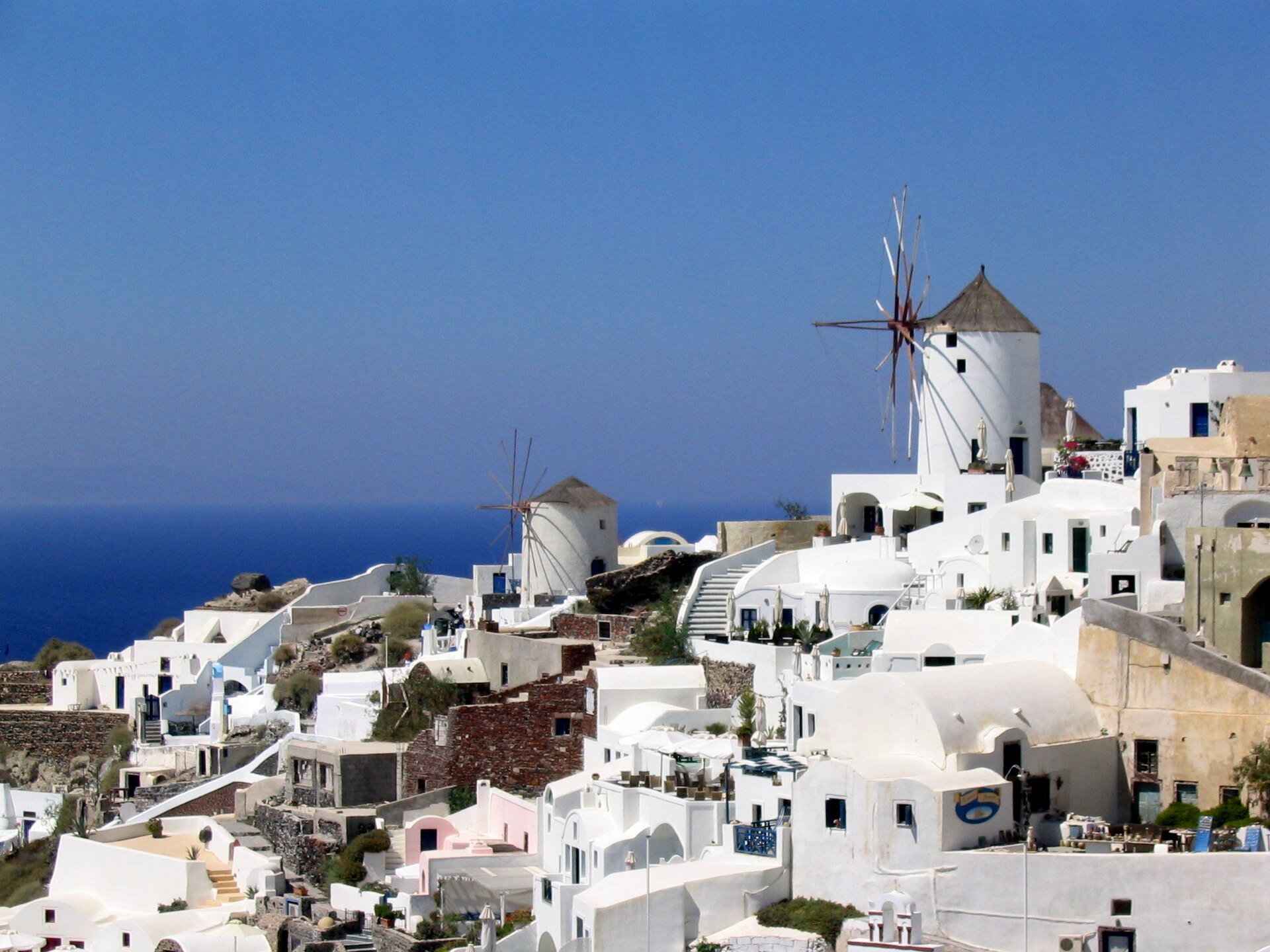
Greece is a country where ancient stones, blue water and welcoming villages sit close together. That mix makes it wonderful for groups of every kind. Friends, families, clubs, school classes and company teams all discover plenty here. Well-organised Greece tours connect the famous locations, arrange the tickets and leave more time for shared meals.
This expert guide from My Greece Tours covers the major regions: ancient Greece, Athens, the Aegean islands, and Crete with Corfu. Each part explains the sights that matter, the kinds of trips groups choose and what those trips include. Practical planning tips close every part, so the whole group travels with less stress.
How Do Greece Tours Take Groups Through Ancient Greece?
Greece tours move groups through ancient Greece by coach and on foot, with a guide who brings old ruins to life. Everyone travels, walks and learns side by side. Expert sites for Greece tours and Tours In Greece explain how these classic routes work for groups. Nobody has to worry about driving or navigation.
Which famous spots matter most in ancient Greece?
Delphi sits high on a mountain slope, and the ancient Greeks saw it as the centre of their world. Visitors came to ask the oracle, a priestess who spoke for the god Apollo, about their future. The museum beside the ruins protects the bronze Charioteer, a statue that groups love to examine up close.
Further north, the monasteries of Meteora perch on top of towering rock pillars, where monks and nuns still live and pray. In the Peloponnese, the large southern part of the mainland, groups walk under the Lion Gate of Mycenae. This stone gateway guarded the city of King Agamemnon, a hero from Greek legends.
The theatre of Epidaurus is famous for its sound, as a whisper on the stage reaches the top seats. Nearby, Nafplio charms visitors with its harbour, castle and beautiful lanes. Ancient Olympia shows the stadium where the ancient Olympic Games began. Coaches also stop at the Corinth Canal, a narrow channel through solid rock.
What kinds of Greece tours cover ancient Greece?
Small-group tours suit circles of friends who like a gentle pace and time to chat with the guide. Full-day trips from Athens by coach work perfectly for bigger groups, such as clubs or school classes. Everyone sits together, the driver manages the mountain roads, and the day ends back in the city.
Guided walking tours inside the sites suit curious teenagers and history fans who want every story explained. Other groups prefer simple entry tickets only, so they can explore at their own comfortable speed. This choice fits families with small children, who need breaks, snacks and shade more often than a tight schedule allows.
Multi-day Greece tours with hotel nights are the best fit for company teams and older relatives. They connect Delphi, Meteora, Olympia and the Peloponnese in one loop, while the coach carries all the luggage. Evenings turn into unhurried dinners in small towns, where the whole group can relax and talk about the day.
What do Greece tours in ancient Greece include?
A licensed or local guide sits at the heart of these trips. In Greece, only state-licensed guides can lead groups inside archaeological sites and museums. These professionals turn broken columns into living stories about gods, kings and athletes. For a mixed group, a good guide keeps teenagers, parents and grandparents equally interested.
Entry tickets come with most guided trips, which saves groups from waiting in long lines at popular entrances. The guide hands them out, counts heads and then leads everyone through the gate together. This matters most at Delphi and Olympia, where crowds gather quickly once the day warms up and the big coaches arrive.
On multi-day Greece tours, hotel nights form part of the package. Rooms sit close to the sites, so groups reach the ruins early. Staying under one roof also keeps the group close and on time each morning. Before the trip, many groups read a guide to ancient Greek ruins for useful background.
Which planning tips help groups in ancient Greece?
Groups should start early, since mornings are cooler and the paths are quieter. Comfortable shoes with reliable grip matter, because ancient paths are uneven and some stones feel slippery. Every traveller should carry water, a hat and sun cream. A light scarf helps too, as Meteora’s monasteries ask visitors to cover shoulders and knees.
To keep everyone together, the group can choose a clear meeting point at each site, such as the main entrance. A shared group chat on phones helps when someone wanders off. Leaders should plan short, regular rests in the shade, so children and older relatives stay happy, rested and fresh all day long.
How Do Greece Tours Take Groups Around Athens?
Greece tours show groups the best of Athens on foot, by boat and around the table. They link the Acropolis, the old lanes and the nearby coast. Most major attractions sit close together in the centre. The city also works as a practical base, since many day trips start and end right here.
Which famous spots matter most in Athens?
The Parthenon crowns the Acropolis, the rocky hill that rises above the city. It was built as a temple for Athena, the goddess who gave Athens its name. Below the hill, the Acropolis Museum displays many original statues and carvings. Its glass floors let visitors look down at ancient ruins beneath their feet.
The Ancient Agora was the old city’s main market and meeting place, where Socrates, a famous thinker, often talked with people. Its Temple of Hephaestus, the god of metalwork, is among the best-kept temples in Greece. The Panathenaic Stadium, built of shining white marble, hosted the first modern Olympic Games and still welcomes runners.
Plaka and Psyrri are the old quarters, full of narrow lanes, small shops and lively tavernas. Groups who climb Lycabettus Hill enjoy a spectacular view over the city and down to the sea. Outside town, Cape Sounion holds the Temple of Poseidon, the sea god, on a clifftop famous for its golden sunsets.
What kinds of Greece tours cover Athens?
Private tours with a driver-guide suit families and company teams who want their own vehicle and their own plan. The cost is set for the whole group rather than per person, which gives bigger groups better value. A private skipper works the same way for a relaxed day at sea along the coast.
Boat cruises with swim stops suit friends and clubs who want sunshine, salt water and music. Guided walking tours fit history lovers and first-time visitors, as the guide explains the Acropolis and the old lanes step by step. Children enjoy these walks even more when the guide shares myths along the way.
Cooking classes and wine tastings are a favourite with company teams and groups of friends. Everyone chops, stirs and tastes together, then sits down to eat the meal they created. These Greece tours turn a busy city day into a relaxed, delicious memory. They work especially well in the evening, when the heat fades.
What do Greece tours in Athens include?
Many Athens boat trips include lunch or a BBQ meal on board, often with grilled meat, crisp salads and warm fresh bread. Drinks come along too, and some cruises offer unlimited soft drinks, beer or wine. For a group, this means nobody has to carry heavy picnic bags or split lots of small bills.
A licensed or local guide leads the walking tours and shares the history behind each stone. Before the trip, groups can check this list of must-see museums in Athens and pick the ones that suit everyone. During the visit, the guide handles the timing, the walking route and the best photo spots.
Wine tastings add a peaceful, social stop to the day, with local wines served beside cheese and olives. Swim stops on coastal cruises let everyone cool off in clear water along the Athens Riviera. These extras on Greece tours matter, because they give mixed groups a shared break between sightseeing and the journey home.
Which planning tips help groups in Athens?
Groups should visit the Acropolis as early as possible, before the heat and the crowds peak. The marble paths up the hill are smooth and slippery, so shoes with excellent grip are a must. There is little shade on top, so each person needs a refillable water bottle, a hat and sun cream.
Plaka and the metro get busy, so the group can walk in pairs and agree on a clear meeting point first. Afternoons suit a long lunch and a siesta back at the hotel. Evenings bring cooler air, so that is the perfect time for rooftop views of the Acropolis glowing under its lights.
How Do Greece Tours Take Groups Across The Aegean?
Greece tours carry groups across the Aegean by ferry, private boat and coach. They mix famous island towns with quiet coves, warm sunshine and swim stops. Each island has its own character, flavours and pace. Groups can connect several islands in one trip, so everyone gets the sea days they came for.
Which famous spots matter most in the Aegean?
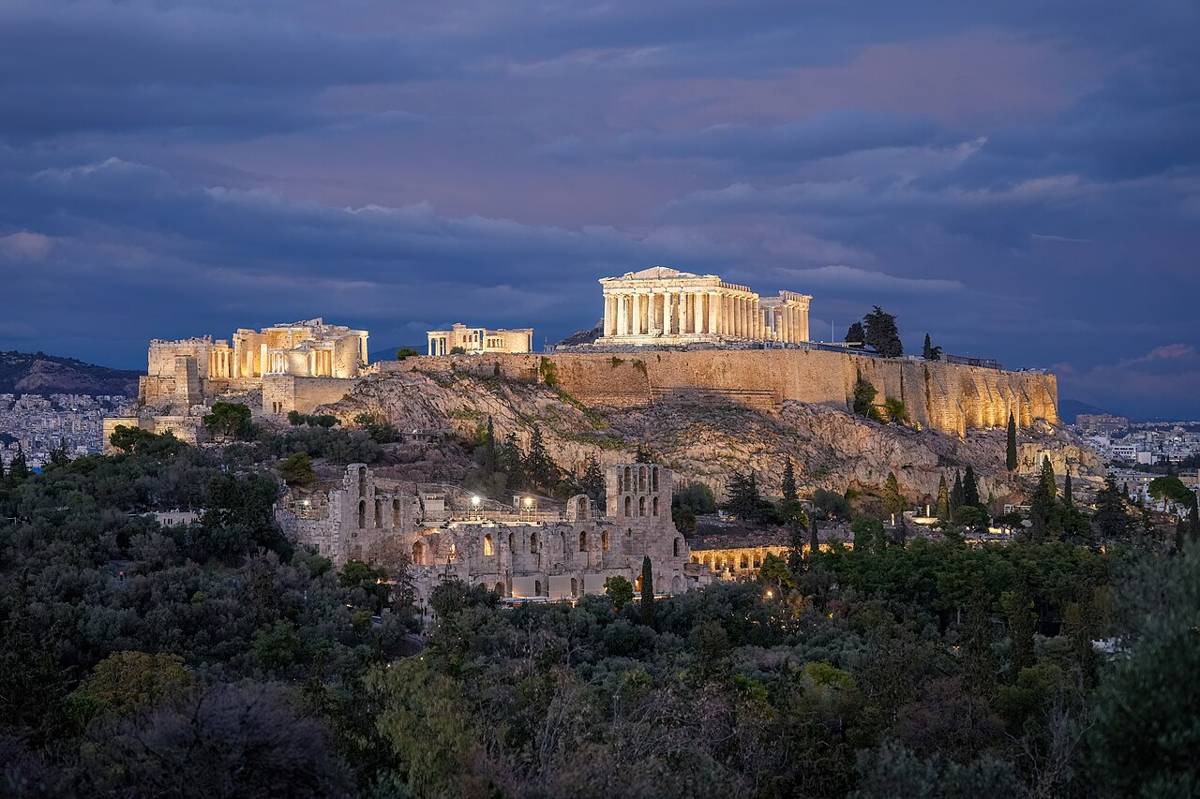
Santorini is famous for its caldera, a huge flooded crater from an ancient eruption. White villages cling to the cliff edge above it, with Oia known for its sunsets and Fira for its shops and cafés. Mykonos adds a row of historic windmills and Little Venice, where houses sit right above the waves.
Delos, an island full of ruins, lies a short boat ride from Mykonos. The ancient Greeks believed Apollo and his twin sister Artemis were born there, and later the island grew into a busy trading port. Milos shows a wilder side, with the white, moon-like rocks of Sarakiniko and the sea caves of Kleftiko.
Naxos greets every ferry with the Portara, a giant marble doorway left from an unfinished temple. Inland, the island hides mountain villages and green valleys. Paros offers Naoussa, a fishing harbour full of colourful boats and seaside tables. Lefkes, in the hills, is a quiet village of white houses and old stone paths.
What kinds of Greece tours cover the Aegean?
Private tours with a skipper suit families and friends who want their own boat for the day. The price covers the whole group, so the cost per head drops as more people join. On land, a private driver-guide shows each island’s villages and beaches at the group’s own pace. Everyone helps choose the stops.
Boat cruises with swim stops suit friends and clubs who love the sea. Full-day trips from Athens by coach suit groups with limited time, reaching the port where a boat carries them to nearby islands. Snorkel and beginner scuba trips suit active teenagers and adults who want to see colourful fish up close.
Cooking classes and wine tastings fit company teams and families who enjoy leisurely, social afternoons. On Santorini, vines grow low in round, basket-shaped coils that shield the grapes from the wind. These Greece tours give a group something to share beyond sightseeing. They also spark plenty of laughter and friendly kitchen competitions.
What do Greece tours in the Aegean include?
Most island boat trips include lunch or a BBQ meal cooked on deck. Drinks come too, and on some boats they are unlimited. Snorkel equipment is on board, so nobody needs to pack their own masks. Swim stops in clear bays give everyone a break, and nervous swimmers can stay close to the boat.
On Delos, a licensed or local guide explains the ruins and the old harbour, while town guides share stories of village life. Free time to explore comes next, so groups can shop, swim or find a café. This mix suits groups where some people love history and others simply want the beach.
Wine tastings on Santorini and Paros pair local wines with cheese, tomatoes and capers. Groups who want to connect several islands can read about Greek island hopping before booking any ferries. Careful planning fits every tasting, cruise and swim stop into the trip, and it keeps the whole day relaxed for everyone.
Which planning tips help groups in the Aegean?
Ferry days need a little care, so groups should arrive at the port early and keep their bags light. Summer winds can feel powerful on deck, so a light jacket helps even on hot days. Anyone who feels seasick should sit low and in the middle of the boat, where the movement feels softer.
On boat trips, the group should pack swimwear, towels, sun cream and a dry bag for phones. A quick headcount at each swim stop keeps everyone safe and together. Sunsets in Oia draw huge crowds every evening, so groups wanting a calmer view can watch from a boat or quieter village instead.
How Do Greece Tours Take Groups To Crete And Corfu?
Greece tours take groups to Crete and Corfu for palaces, harbour towns and famous beaches. Boats and local guides link the highlights, and Rhodes and Zakynthos often join the plan too. These large islands give groups plenty of space, variety and sunshine. Each island has enough to fill a whole holiday on its own.
Which famous spots matter most in Crete and Corfu?
On Crete, the palace of Knossos was home to the Minoans. They were an early people who ruled the island long before Athens grew great. Legend places the maze of the Minotaur here, a monster with a bull’s head on a man’s body. Chania charms groups with its Venetian harbour, lighthouse and colourful houses.
The lagoons of Balos and Elafonisi are famous for shallow, bright blue water and pinkish sand. Over on Rhodes, the medieval Old Town, built in the age of knights, is a walled maze of stone streets. Lindos adds white houses and an ancient acropolis, which means a hilltop fortress, high above a sparkling bay.
The old town of Corfu blends Venetian, French and British touches, with arcades, forts and a wide green square. Groups can read more in this guide to Corfu. On Zakynthos, Navagio cove holds a rusty shipwreck on white sand, surrounded by tall cliffs. It looks most impressive from the clifftop or a boat.
What kinds of Greece tours cover Crete and Corfu?
Private tours with a driver-guide suit big families who want to cross Crete in comfort. The group chooses every stop on the way. A private skipper does the same at sea around Corfu or Zakynthos. The price covers the whole van or boat, so the cost for each person drops as the group grows.
Boat cruises with swim stops suit friends who want Balos, Navagio or quiet coves in one day. Guided walking tours delight history fans in Chania, Rhodes and Corfu. Entry tickets work for families who like to explore Knossos or the Old Town of Rhodes at their own pace. They rest whenever the children need it.
Groups who begin their holiday in Athens often add a full-day trip by coach before flying out to the islands. Cooking classes and wine tastings suit company teams and food lovers. Crete is famous for olive oil, wild herbs and village recipes. These shared Greece tours give everyone a real taste of island life.
What do Greece tours in Crete and Corfu include?
Boat cruises here often include lunch or a BBQ meal, served on board or at a beach taverna. Drinks are part of the package, and some boats pour them without limits. This keeps costs predictable, since the main extras are settled before anyone steps aboard. Nobody needs to pack a cool box either.
At Knossos and in old towns, a licensed or local guide brings the past to life. Stories cover myths, knights and the merchants from Venice who once ruled the coast. Entry tickets are often included, so the group walks in together. With a guide, Knossos turns from scattered stones into a lively palace story.
Wine tastings in Cretan villages pair local wines with cheese, olives and warm fresh bread. Swim stops let everyone cool off in the lagoons or in quiet bays along the coast. For mixed groups on Greece tours, these breaks matter, because the livelier members swim and play while others relax in the sun.
Which planning tips help groups in Crete and Corfu?
Crete is a big island, so groups should pick a few bases instead of moving hotels every night. Mountain roads twist and turn a lot, so anyone who gets carsick should sit near the front. Beach days call for water shoes, since some coves have pebbles and sharp rocks at the water’s edge.
Balos and Navagio draw crowds by midday, so early boats feel calmer and cooler. Groups should agree on a meeting time before each swim or town stop and keep phones charged. A small first-aid kit, sun cream and snacks are worth packing. They keep every member of the group comfortable all day.
Conclusion: Top Greece Tours For Groups, Planned Well
Greece gives groups a rare mix of history, sea and cuisine, within easy reach. The best Greece tours match the group’s pace, whether that means ruins in the morning, a lazy boat day or a cooking class. With the right plan, everyone from teens to grandparents comes home with shared stories and favourite places.
Before booking, groups should list what matters most to them, such as guides, swim stops, meals or free time. This handy guide to choosing the right Greek tour helps compare the options with care. Planned well, Greece tours turn a simple holiday into the adventure a group talks about for a long time.
Frequently Asked Questions About Top Greece Tours For Groups
What do expert Greece tours add for groups?
Expert Greece tours add smooth planning, a guide who knows the stories and a pace that suits every age in the group. They handle tickets, transport and timing, so everyone can simply enjoy the day. Group leaders spend far less time on small details and more time laughing with their friends, family or team.
Are Greece tours with a licensed guide worth it?
Yes, these Greece tours are worth it, especially at the big ancient sites where only licensed guides can lead groups. A licensed guide brings ruins to life with myths and history told in plain words. Groups also save time, because the guide knows the smartest routes, the shady spots and the quiet corners.
How many Greece tours can a group fit in a week?
A relaxed week holds a handful of Greece tours, with free days placed in between them. Mixing a busy ruins day with a lazy boat day keeps energy high for the whole group. Groups with young children or older relatives should leave extra room for rest, swims and long, slow meals in local tavernas.
Do Greece tours suit first-time visitors?
Greece tours suit first-time visitors very well, because the guide explains each place and the plan is already set. Newcomers see the famous names, like the Acropolis and Santorini, without the stress of planning every single step. Groups can then return on later trips to explore the quieter corners at their own pace.
Can Greece tours be tailored for a group?
Yes, private Greece tours can be shaped around the group’s interests, pace and budget from the very start. Families can add extra beach time, while company teams can add a cooking class or a wine tasting. On the day, the driver-guide or skipper can change stops if the group wants more time somewhere.
When do Greece tours feel least rushed?
Greece tours feel least rushed in spring and early autumn, when crowds are thinner and the weather is pleasant. Early starts help in any season, since the sites stay quieter in the cool morning hours. Groups that leave gaps between their trips also enjoy a calmer rhythm and more time to rest.
How do groups compare Greece tours before booking?
Groups compare Greece tours by checking the pace, the group size, what each day includes and how flexible the plan is. The best choice fits every member. A simple written comparison of the options makes the final decision clearer and prevents arguments later in the holiday.
Which details matter most when comparing?
Pace comes first, because it shapes the whole holiday for everyone. Some Greece tours pack several famous sites into one long day, while others leave time for coffee, shade and photos. A group with grandparents and teenagers needs a middle path that keeps both generations cheerful and comfortable.
Group size matters next, since it changes how personal each day feels. This overview of small-group and private experiences explains the difference in clear, simple terms. Larger coach Greece tours cost less per person, but they move at a fixed speed and leave little room for changes.
Organisers also compare how each day is built and where the nights are spent. A route that zigzags across the country wastes energy on the road, while a smart loop saves it for sightseeing. This guide for group organisers shows how to spot well-built Greece tours quickly.
The wording of each tour description deserves a careful read as well. A quick photo stop outside a site is very different from a guided visit inside it. Groups that notice these small differences choose Greece tours that deliver exactly what every member expects.
What questions should a group ask the organiser?
Clear questions protect a group from unpleasant surprises on the road. Before paying anything, the group leader should ask the organiser about these points and keep the answers in writing:
- How long each day lasts and when it starts
- Which tickets, meals and transfers are included
- How many guests share one guide or vehicle
- What happens if someone feels unwell on the day
- How simple it is to change dates or cancel
The answers reveal the true value of different Greece tours far better than any glossy photo. A cheaper offer that leaves out tickets, meals and transfers can end up costing the group more. Groups should also learn how escorted trips work, using this guide to escorted tour itineraries.
Private options deserve a look as well, especially for big families and company groups. This guide to private tours in Greece explains how a fully personal plan works from start to finish. Comparing private and shared Greece tours side by side shows where extra comfort is worth paying for.
Why do expert guides improve Greece tours?
Expert guides improve Greece tours by turning old stones into stories, keeping the group moving smoothly and solving small problems early. They act as teacher, host and fixer. That steady support lets the whole group relax, ask questions and enjoy every stop without worrying about the details.
How do guides keep a mixed group happy?
A skilled guide reads a group quickly and adjusts the day to fit it. If the children grow restless, the guide switches to a myth about monsters or heroes. If older members tire, the guide slows the walk and finds a bench in the shade.
Guides also manage the practical side of Greece tours. They count heads at every stop, choose quieter paths around the crowds and know where the clean toilets are. These small details matter most for big families and clubs with a wide mix of ages and energy levels.
On the best Greece tours, guides tell stories in plain words, not dry lists of facts and names. They explain who built a temple, why people prayed there and how ordinary families lived nearby. Teenagers remember these vivid tales far longer than any sign, leaflet or audio recording.
When plans change without warning, an expert guide keeps Greece tours on track. A sudden storm, a closed road or a packed site rarely ruffles a seasoned professional. The guide simply swaps the order of visits, and the group barely notices that anything has changed.
How do guides connect groups with local life?
Expert guides open doors that visitors rarely find by themselves. They know family-run tavernas, quiet beaches and village bakeries that most guidebooks completely miss. On many Greece tours, these local tips become the highlight of the whole holiday and the story everyone retells at home.
Guides also explain the customs that make visits smooth and polite. Groups who read about local etiquette and polite habits feel more confident at churches, markets and family homes. Learning simple Greek phrases for hello and thank you also wins warm smiles from local people.
Safety is another quiet strength of expert Greece tours. Guides know which paths turn slippery, where the sun hits hardest and how to reach help fast. These useful safety tips for visitors add extra peace of mind for group leaders who look after children or older relatives.
How do groups plan rest days between Greece tours?
Groups plan rest days between Greece tours by placing a slow, free day after a run of busy ones. A pool or a calm beach makes the perfect setting. Rest days keep energy high and give members time to follow their own interests before the next big outing.
When should a group schedule a rest day?
The best moment for a rest day comes right after a big travel day or a long ferry crossing. Bodies need time to recover from early starts, hot sun and long walks. A group that rests at the right time enjoys the next Greece tours with fresh legs.
Rest days also work well after the heaviest Greece tours, such as a full day at major ruins. Placing them in the middle of the holiday stops tiredness from building up quietly. Parents of small children find that this gentle rhythm makes the whole trip calmer for everyone.
Groups moving between islands should keep bags small, so a rest day never turns into a repacking day. This guide to packing light for island tours shows how to travel with less. Light bags also make ferry boarding quicker and easier between Greece tours on different islands.
What can a group do on a rest day?
A rest day does not mean doing nothing at all. Some members swim, read or nap by the pool, while others stroll to a nearby village for ice cream. The point is freedom, with no fixed meeting time until everyone gathers for dinner.
Curious members can explore at their own pace using local buses or ferries. This guide to Greek public transport explains how simple these outings can be. Short trips like these add variety between organised Greece tours without draining anyone’s energy before the next busy day.
Families can use rest days for easy fun, such as a beach afternoon or a slow lunch by the harbour. These family-friendly travel tips suggest calm activities that suit young children. When everyone meets again for dinner, the group has fresh stories to share across the table.
How do groups share costs on Greece tours?
Groups share costs on Greece tours by agreeing on a clear budget early, splitting shared items fairly and keeping one simple record of spending. Clear rules prevent awkward moments at the till. They also keep money talk short, friendly and far away from the fun parts of the holiday.
How should a group set a shared budget?
The smartest groups talk about money before booking anything at all. Each member shares a comfortable spending range, and the group picks Greece tours that suit everyone. Nobody should feel pushed into a trip that stretches their budget too far or spoils their enjoyment.
Private Greece tours become better value as the group grows, because the cost of the guide or vehicle is split between more people. Shared coach tours suit groups with tighter budgets. These practical budget tips for Greece show more ways to travel well for less.
Groups should also agree on what counts as shared spending on Greece tours. Transport, guides and tickets go into the shared pot, while souvenirs and personal treats stay private. Writing these simple rules down before departure helps avoid confusion and hurt feelings later on.
How can a group split bills without stress?
One person can act as treasurer and pay for shared costs on Greece tours. A simple shared spreadsheet or a money-splitting app then tracks who owes what. At the end of each day, the group can check the totals and settle up quickly.
Meals need a fair plan too, since taverna dinners are a big part of every trip. Some groups split every bill evenly, while others pay only for what they order. Either way works well, as long as everyone agrees at the start of the holiday.
A small shared fund for tips, snacks and bottled water saves many tiny payments. Each member adds the same amount at the start, and the treasurer tops it up when needed. This simple habit keeps Greece tours relaxed and fair for everyone in the group.
Deposits and cancellations deserve a clear agreement as well. If one member drops out, the group should know in advance who covers the shared costs. Settling this early keeps friendships safe and lets everyone look forward to their Greece tours without worry.
Which Greece tours suit groups who love myths?
Greece tours built around myths suit these groups best, linking sites where gods, heroes and monsters once ruled the stories. A guide turns each ruin into a living legend. Families with curious children and clubs of history fans enjoy these trips the most.
Where do the great Greek myths come alive?
Delphi sits at the heart of many myths, since the Greeks believed Zeus marked it as the centre of the world. Here the oracle of Apollo gave puzzling answers to kings and ordinary people. Groups on Greece tours can stand where those visitors once waited nervously for their fate.
On Crete, the palace of Knossos links to the tale of the Minotaur and its maze. The hero Theseus found his way out using a ball of thread from Princess Ariadne. Myth-themed Greece tours on Crete tell this story right beside the ancient walls.
Cape Sounion carries a sadder legend about King Aegeus, who watched the sea for his son’s return. Thinking Theseus was dead, he leapt into the waves, and the Aegean Sea took his name. Greece tours to the cape share this story while the Temple of Poseidon glows above the water.
Mount Olympus, the home of the gods, rises in the north and makes a dramatic backdrop for myth lovers. Mycenae adds the world of King Agamemnon and the Trojan War. This list of top Greek mythology sites helps groups choose the places that match their favourite stories.
How can a group prepare for myth-themed trips?
A little reading before the trip makes every site richer for the whole group. This myth-to-map travel guide connects famous legends to the real places behind them. Children who know the stories in advance spot the details that guides point out on Greece tours.
Museums deserve a place on myth-themed Greece tours, and only state-licensed guides can lead groups inside them. Painted vases, marble statues and gold masks show gods and heroes exactly as the ancient Greeks imagined them. This guide to Greek art and museums helps groups plan the best indoor visits.
Many groups turn myths into a game during the holiday. Each member picks a favourite god, goddess or hero and retells the story at the matching site. This simple idea keeps teenagers engaged and gives Greece tours a playful, personal touch that everyone remembers.
Which Greece tours suit groups who love swimming?
Boat-based Greece tours suit swimming groups best, because they reach clear coves and caves that cars and buses cannot. Swim stops come built into the day. Families with confident swimmers, groups of friends and sea-loving clubs get the most from them.
Where do swimming groups find the clearest water?
Greece has some of the clearest water in the Mediterranean, and Greece tours by boat reach the finest spots. These famous swimming places top many group wish lists:
- Sarakiniko on Milos, with smooth white volcanic rock
- The Blue Caves of Zakynthos, glowing in the sunlight
- Myrtos on Kefalonia, a dazzling white pebble bay
- Porto Katsiki on Lefkada, below steep pale cliffs
- Voutoumi on Antipaxos, famous for turquoise shallows
Each spot has its own character, from wild cliffs to gentle sandy shallows. This guide to the best beaches in Greece covers many more options for groups. Calm bays suit young swimmers on Greece tours, while open coves thrill the strongest members of the group.
Many beaches in Greece fly the Blue Flag, a well-known award for clean water and good facilities. Organised beaches with lifeguards suit families with small children best. On swim-focused Greece tours, groups heading to wilder coves rely on the skipper to judge the sea conditions.
How do sailing trips work for swimming groups?
Sailing trips turn the boat itself into a floating base for swimming. Groups jump straight from the deck into deep blue water, then climb back for snacks and shade. This guide to sailing holidays in Greece explains how longer sailing trips work.
A private catamaran suits big families and company groups who want space to spread out. Shared sailing Greece tours suit smaller groups of friends who enjoy meeting other travellers on board. Either way, the skipper chooses sheltered bays when the wind picks up.
Snorkelling adds another layer of fun to swimming Greece tours. Groups spot colourful fish, spiky sea urchins and rocky ledges just below the calm surface. Members who prefer not to swim can relax on deck, read in the shade or enjoy the view.
Safety comes first at every swim stop during Greece tours. Good crews watch the water closely and help weaker swimmers back onto the ladder. Groups with young children should ask whether the boat carries life jackets in small sizes.
Which Greece tours suit groups who love walking?
Guided walking and hiking Greece tours suit these groups, following old mule paths, gorges and village trails across the mainland and islands. Routes range from gentle strolls to tougher hikes. Clubs, active families and company teams find a level that fits everyone.
Which walking routes do groups enjoy most?
The Samaria Gorge on Crete is one of the most famous hikes in Europe. Walkers follow a riverbed between towering rock walls and finish beside the sea. Fit groups on Greece tours love the challenge, and a cool swim waits at the very end.
In the north, the Zagori region offers stone villages, arched stone bridges and the deep Vikos Gorge. The paths here are old cobbled trails once used by mules and shepherds. Walking Greece tours in Zagori suit groups who enjoy quiet forests and fresh mountain air.
Gentler options exist too. The paths around Meteora wind between the rock pillars and monasteries, while the Pelion peninsula links green villages by shady trails. This guide to top hiking trails in Greece lists more routes for every fitness level.
Town walks count as well, especially for mixed groups with grandparents or toddlers. Old towns like Nafplio, Rhodes and Chania reward slow strolls through lanes full of history, cafés and craft shops. Many traditional Greek villages also make perfect walking stops between longer Greece tours.
How should walking groups prepare?
Good footwear matters more than anything else on walking Greece tours. Light hiking shoes with firm grip handle loose stones and dusty paths far better than sandals. Each walker also needs a sun hat, plenty of water and a small backpack with healthy snacks.
Timing makes a big difference on summer Greece tours. Groups should start walking early and rest during the hottest part of the day. Spring and autumn bring cooler air, wild flowers and the most pleasant conditions for longer hikes.
A guide sets a steady pace that suits the slowest walker, so nobody feels left behind. This guide to walking tours explains how guided and self-guided routes compare. Mixed groups can also split for a day, with keen hikers tackling a gorge while others enjoy a gentle village loop.
Which Greece tours suit groups who love photography?
Photo-focused Greece tours suit these groups, timing visits for soft morning light and golden sunsets at the most striking viewpoints. Guides know the best angles. Friends with cameras, creative clubs and families who love sharing holiday pictures enjoy them the most.
Which places make the best group photos?
Santorini tops most photo lists on Greece tours, with white houses, blue domes and the wide caldera below. Oia draws the biggest crowds at sunset, so smart groups shoot there in the early morning instead. This list of the best sunset spots in Greece suggests calmer places for evening shots.
Meteora at sunrise is a photographer’s dream, as morning mist can drift between the rock pillars. In Athens, groups capture the Acropolis from nearby hills, with the whole city spread around it. Little Venice and the windmills on Mykonos add colour and charm to any album.
Buildings tell their own story through the lens. Columns, temples and white chapels show how Greek design shaped the world, and this guide to famous Greek architecture explains the main styles. Knowing a few details helps photographers frame each building with more care.
How do photo trips help groups get better shots?
Photo-focused Greece tours plan each day around the light rather than the clock. Guides bring groups to famous viewpoints early, before crowds and coaches fill the frame. These practical photography tips cover settings, angles and timing for every camera and phone.
Group photos need a little planning on busy Greece tours. A friendly guide or skipper can take the shot, so every single member appears in the picture. Matching colours or simple white clothes look wonderful against blue sea and whitewashed walls.
Respect keeps photo trips pleasant for everyone. Groups should ask before photographing local people, and they should never climb on ancient walls for a better angle. Many churches and monasteries do not allow photos inside, so groups should check the signs first.
Sharing the results is a big part of the fun on photo Greece tours. A shared online album lets every member add pictures each evening. By the end of the holiday, the group owns a full visual diary of the trip.
Which places do expert Greece tours visit?
Expert Greece tours visit the country’s best-loved places, from Cyclades villages and mainland ruins to the large islands of Crete and Rhodes. Each region offers something different. Groups can mix and match these areas to suit their interests, energy levels and the length of their holiday.
Cyclades
The Cyclades take their name from the rough circle they form around sacred little Delos. Greece tours here combine short ferry hops, golden beaches and whitewashed villages with bright blue shutters. These islands remain the top choices for most groups, from lively friends to calm, multi-generation families:
- Santorini: volcanic caldera views, white cliff villages and blue-domed churches.
- Mykonos: famous windmills, Little Venice sunsets and lively sandy beaches.
- Naxos: the giant marble Portara gateway, long sandy beaches and mountain villages.
- Paros: the fishing harbour of Naoussa, marble lanes and peaceful beaches.
- Milos: moon-like Sarakiniko rocks, hidden sea caves and colourful fishing villages.
Mainland
The Greek mainland holds the great sites of the ancient world, linked by scenic mountain roads and olive groves. Coach and private Greece tours connect them in smooth loops that start and end in Athens. These are the places that expert guides show visiting groups most often:
- Athens: the Acropolis, the Parthenon and lively old neighbourhoods below the hill.
- Delphi: the sanctuary of Apollo and its ancient oracle on Mount Parnassus.
- Meteora: monasteries perched high on giant rock pillars above the plain.
- Olympia: the birthplace of the ancient Olympic Games and their stadium.
- Mycenae: the mighty Lion Gate and the kingdom of legendary King Agamemnon.
Large islands
The large islands feel like small countries, each with its own food, history and landscapes. Greece tours on these islands mix beaches, old towns and mountain villages within a single stay. Big groups who want plenty of variety without many ferry crossings or hotel changes love these islands:
- Crete: the Minoan palace of Knossos, wild gorges and pink-sand lagoons.
- Rhodes: a walled medieval Old Town built by knights, plus hilltop Lindos.
- Kefalonia: Myrtos beach, an underground cave lake and green mountain slopes.
- Zakynthos: the Navagio shipwreck cove, the Blue Caves and nesting sea turtles.
How do groups plan Greece tours over six days?
Groups plan Greece tours over six days by spending two days in Athens, one day at Delphi and three days on the islands. This split balances history and sea. It also keeps travel time low, so every member of the group stays fresh, cheerful and ready for the next outing.
Two days in Athens
The first day in Athens belongs to the Acropolis and its modern museum. Groups should climb the hill early, then cool down inside the museum before a relaxed lunch in Plaka. A guided visit on Greece tours like this brings the Parthenon’s story to life for every age in the group.
The afternoon suits a rest at the hotel, since the city heat tires young and old alike. In the evening, the group can stroll through the old lanes or enjoy dinner with a view of the floodlit Acropolis. Rooftop tavernas make a perfect setting for the first big group meal.
Day two can mix the Ancient Agora, the Panathenaic Stadium and a food tour or cooking class. Families with teenagers often add a sunset trip to Cape Sounion and the Temple of Poseidon. These flexible Greece tours let each group shape the day around its own interests.
This week-long Athens and islands itinerary shows how a longer version of the same plan works. Groups with an extra day can follow it and add more beach time at the end. Either way, Athens makes a smooth and practical starting point for Greece tours.
Getting around Athens between Greece tours is simple for groups. The metro links the airport, the port of Piraeus and the centre, while private vans suit families with luggage or small children. Staying near the Acropolis keeps most sights within an easy, pleasant walk of the hotel.
A day trip to Delphi
Day three heads north-west to Delphi on a full-day trip by coach or private van. The drive passes olive groves, rolling hills and mountain views on the way to Mount Parnassus. Many Greece tours stop in the pretty mountain village of Arachova for coffee or lunch.
At the site, a licensed guide leads the group up the Sacred Way to the Temple of Apollo, the theatre and the stadium. The museum then reveals the famous bronze Charioteer and treasures from the sanctuary. Groups return to Athens in the evening, tired but full of stories to share over dinner.
Groups who prefer to set their own pace can follow this guide to self-guided itinerary planning. It explains how to mix guided Greece tours with free days and independent outings. That balance suits families with young children and clubs with mixed energy levels.
Delphi days start early, so a light breakfast and a packed snack keep everyone going. Comfortable shoes matter on the steep stone paths of the sanctuary. A sun hat and a full water bottle complete the kit for one of the most classic Greece tours.
Three days on the islands
Days four to six move the group to the islands by ferry or a short flight. Santorini and Mykonos make the classic pair, while Naxos and Paros feel calmer and more relaxed. This guide to Greek islands for first-timers helps groups choose the best match for their Greece tours.
The first island day suits a boat trip with swim stops, lunch on board and plenty of sunshine. Island Greece tours like this give the whole group time to unwind after busy city days. Evenings bring sunset views, fresh seafood and long dinners by the water.
The second island day can include a village walk, a wine tasting or a cooking class. Some members prefer a lazy beach day, and good Greece tours leave room for that choice. Splitting up for a few hours keeps everyone happy, and the group reunites for dinner.
The last day allows a slow breakfast, a final swim and a ferry or flight back to Athens. Groups should book return transport early in busy months, since seats fill fast. Ending Greece tours without a rush leaves the best final memory for everyone involved.
On island Greece tours, ferry tickets for the whole group should be booked together, so everyone sits in the same area. Fast boats save time, while larger ferries feel steadier for anyone prone to seasickness. Hotels close to the port also make the final morning easier.
More questions about Greece tours for groups
Groups planning Greece tours often share the same practical questions about guides, pace, photos, snacks, shopping and what to carry each day. The short answers below cover each one clearly and simply.
Can groups ask a guide questions on Greece tours?
Yes, guides on Greece tours welcome questions at every stop, and curious groups often get the most memorable stories this way. Children’s questions are especially welcome, since they keep each visit lively and fun. Good guides also stay available during breaks and meals for longer, friendly chats.
Are Greece tours suitable for people who tire easily?
Yes, many Greece tours suit people who tire easily, especially private tours and small groups that set a gentle pace with regular rests. Organisers can pick sites with shorter walks, shaded seating and easy access. Telling the guide in advance helps them plan the whole day around comfort.
Do Greece tours stop for photos?
Yes, Greece tours build photo stops into the route, often at famous viewpoints where the group can gather for a shared picture. Guides know the best angles and the quietest moments for a clear shot. On coach Greece tours, drivers also pause at scenic spots whenever it is safe to stop.
Can groups bring snacks on Greece tours?
Yes, groups can bring snacks and water on most Greece tours, which helps children and older members keep their energy up between meals. Eating is not allowed inside many ancient sites and museums, so snacks stay in bags there. Fruit, nuts and crackers travel best in the summer heat.
Do Greece tours leave time for shopping?
Yes, most Greece tours leave some free time for shopping, especially in charming old towns like Plaka, Nafplio and Chania. Groups find local crafts, olive oil, honey and handmade leather sandals in these lanes. Asking the guide for trusted family-run shops helps groups avoid tourist traps.
What should groups carry on Greece tours?
Groups should carry water, sun cream, hats, comfortable shoes and a light layer on Greece tours, plus a small bag for snacks. A modest scarf or shawl helps at churches and monasteries. A small first-aid kit and some cash for little purchases at village kiosks complete the list.
See more in Chimikes Toualetes:
- Τουαλέτες Για Festival: Ο Πλήρης Οδηγός Για Καθαρή, Άνετη Και Ασφαλή Διοργάνωση
- Ενοικίαση Χημικών Τουαλετών: Πλήρης Οδηγός Για Καθαρή, Νόμιμη Και Αξιόπιστη Εξυπηρέτηση
- Χημικές Τουαλέτες Κόστος: Τι Πληρώνετε Πραγματικά Και Πώς Να Υπολογίσετε Σωστά Την Ενοικίαση
- Κινητές Τουαλέτες: Πώς Να Επιλέξετε Τη Σωστή Λύση Για Κάθε Χώρο Και Εκδήλωση
- Αγορά Χημικής Τουαλέτας: Ο Πλήρης Οδηγός Για Να Επιλέξετε Σωστά